

September 21, 2023
Conscious Capitalism
What is the purpose of business? Is a business expected to have only one purpose? Can a business have multiple purposes?
These questions take on a lot of importance in today’s world. Owners, employees, and indeed all segments of society, are grappling with such thoughts, leading to considerable debate about the nature and purpose of business.
History points to the fact that capitalism is a much better form of business than communism for the longer-term benefit of society. We have not thus far discovered or invented a system better than capitalism for human progress. It therefore makes sense to examine capitalism more closely.
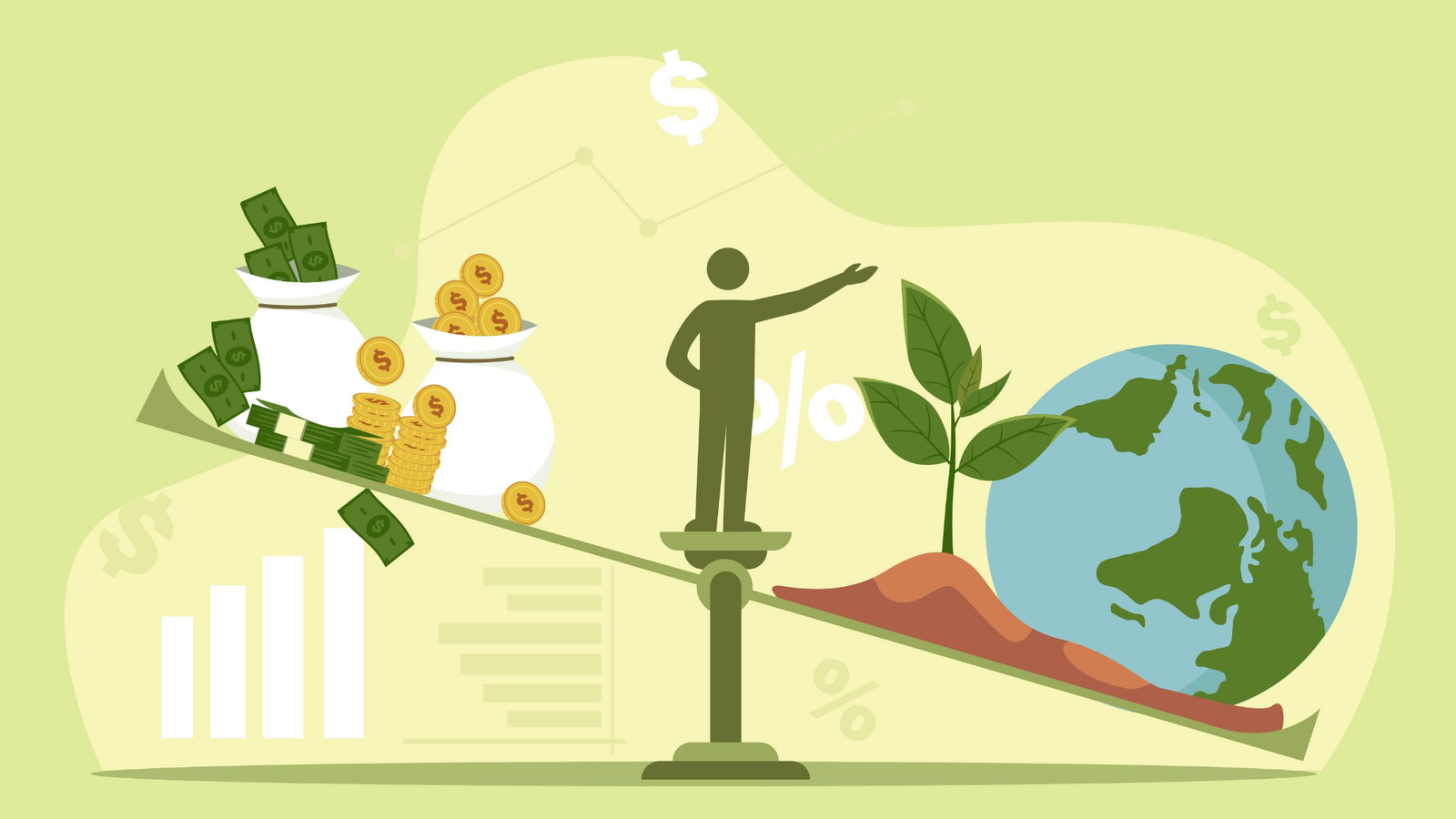
In its crudest form, capitalism takes care of its shareholders, period. This means profit at any cost. I call this CRUEL CAPITALISM.
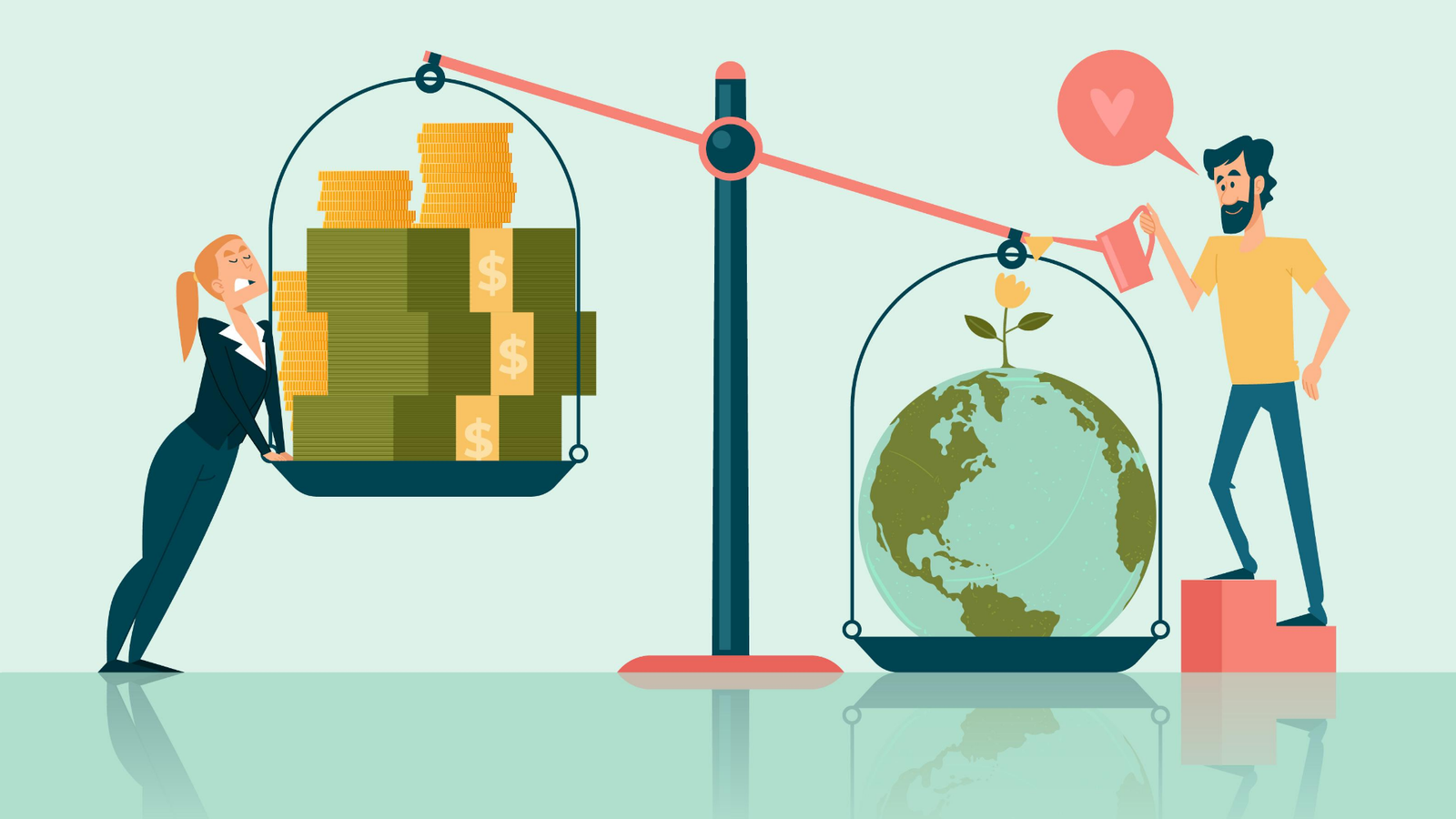
On the other hand, capitalism that cares for its stakeholders is one where the profits benefit not just the shareholders but the ecosystem in which the business operates: customers, employees, vendors, business partners, and the community. I call this CONSCIOUS CAPITALISM. A great many of us mistake this for socialism. In reality, Conscious Capitalism ensures a better and sustainable future for ALL. Here are some examples of Conscious Capitalism.
Tata Steel
In the 1800s, when the British were bent upon preventing India from developing anything indigenously, Mr. J N Tata, the founder of the Tata Group of companies, had other ideas. He created India’s modern textile industry in order to compete with the cotton mills in Lancashire, England. The hallmark of his leadership was a devotion to his employees, his customers, and indeed his country. That gave birth to a dream of building a steel company in India. But his health was failing. So he shared through letters with his two sons the kind of steel company and township they should build. Here are a few excerpts from his letters:
I grew up in the town of Jamshedpur where Tata Steel was born. Not only have I seen the founder’s vision materialize, I benefited from it growing in such a remarkable environment. I know firsthand what a difference conscious capitalism can make.
MOD Pizza
Scott and Ally Svenson started MOD Pizza in Seattle in 2008, knowing full well that the world did not need another pizza company. They had already sold Seattle Coffee to Starbucks for $98M, so they didn’t need the money either. They started the company to serve the community. This is no exaggeration or fancy founder talk. Here is this remarkable couple’s founding philosophy:
PEPSICO
While she was Chairperson and CEO (2006-2019), Indra Nooyi introduced Performance with Purpose, which translated to putting environmental goals and customer and employee wellbeing on par with financial goals. She also transformed working conditions for women at Pepsico, and made it one of the most sought-after employers among women.
Every one of these companies continues to be profitable while caring for their stakeholders and the community at large. They remind us about the power and positive impact of CONSCIOUS CAPITALISM.
IN CONCLUSION
Many people mistake conscious capitalism for socialism. Nothing is farther from the truth. It is a distortion of the truth and is highly misleading. Business has no reason to harm or shortchange the community it serves. That is shortsighted and doomed to lead to failure.
The USA is in the early stages of a presidential primary at this time. Vivek Ramaswamy, a Republican candidate, has been a loud proponent of keeping politics out of business. Has that ever happened? Politics is about power and control. It will always seek alliances with big business – to remain in power and keep control. Ramaswamy preaches SHAREHOLDER capitalism instead of STAKEHOLDER capitalism.
Shareholder capitalism, in other words, Cruel Capitalism poisons democracy. Shareholder capitalism is precisely why the US is sliding backwards today.
The kind of capitalism the Vivek Ramaswamys of this world preach is dangerous and will lead to the downfall of democracy. It will lay the groundwork for dictatorship.
Shareholder Capitalism is Cruel Capitalism. It weakens democracies.
Stakeholder Capitalism is Conscious Capitalism. It is the oxygen needed by democracies to be well and alive.
The main takeaways here are: